Laws, Morality, and the Bible: Is There a Connection?

Introduction
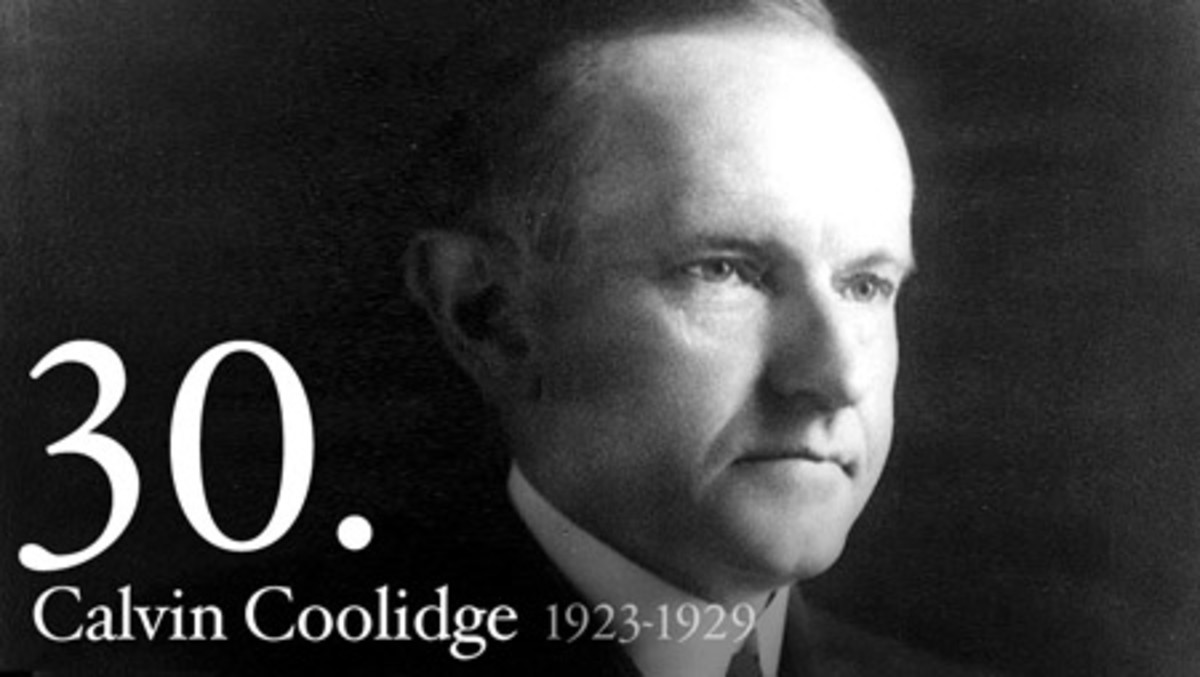
Was Coolidge right? Is law more than the will of the majority? Does law rest upon righteousness? The short answer is “yes” and this essay is dedicated to helping you grasp the relationship between law, morality and the Bible.
My thesis is simple:
P1--Law must be based on morality.
P2--Morality must be based on the Bible.
Therefore, the law must be based on the Bible.
If law must be based on morals and morals must be based on the Bible, then it’s inescapable that law must be based on the Bible. In other words, law must be informed by morality and morality must be informed by the Bible. First,
The Law Must be Based on Morality
This goes without saying. If law were merely “the majority rules,” ordered society would collapse. The implication would be that the 51% of the people could terrorize the other 49%. After all, the majority is right. But, as James Bovard once said, democracy has to be more than two wolves and a sheep deciding what’s for dinner.
Laws cannot be the rules that we make to do as we please. Rather, they must be the rules that we make to do what's right. One thing that laws must do is resist evil men. No one understood this better than the nation’s first president, George Washington, who said,
No compact among men...can be pronounced everlasting and inviolable, and…no Wall of words, that no mound of parchment can be so formed as to stand against the sweeping torrent of boundless ambition on the one side, aided by the sapping current of corrupted morals on the other.
In short, if there is no morality, then no “compact” (constitution) will be enough to stop the evil of ambitious men, no matter how good it is. This is only one reason why secularists are wrong about the Constitution. They want the document without the foundation on which it’s built. Our second President, John Adams, knew that any such arrangement was a pipe dream:
Our constitution was made only for a moral and religious people. It is wholly inadequate to the government of any other.
So, our founders knew that morals are needed to resist the ambition of evil men. Furthermore, our Constitution was designed for a moral and religious people. Again, George Washington echoed Adams’ sentiment when he said in his farewell address that religion and morality are the two great pillars of political prosperity. It was the Christian faith, informed by the Bible, that was the ground of morality and religion during the founding era.
Legislating Morality?
But, you can’t legislate morals, can you? Most laws are made from some moral viewpoint and every law has moral implications. Now, it’s true that you can’t make people act moral if they refuse to. However, you can make laws that will make doing evil highly risky or expensive for the would-be offender. Those who claim that you cannot legislate morality are trying to support the unsupportable.
Another problem with the statement “you can’t legislate morality” is that the statement collapses on itself. Think about it: “you can’t legislate morality”? The statement is a prohibition. Such people believe that it would be wrong to legislate morality, that such behavior should be forbidden!
It’s reasonable to assume that if you can’t make laws based on morality, you can’t prohibit them based on morality either. People who make these irrational claims are usually trying to prohibit the Judeo-Christian morality and replace it with their own.
There’s nothing more opposite to the Judeo-Christian ethic than sodomy. And, who’s at the front of the line, ranting about how that we can’t legislate morality? Who maintains the shrill moralizing, telling the American people that they are “intolerant” and “hateful” while they spread their infectious diseases? Who works to change the laws regarding adult and minor relations so that they can sodomize your sons? In the name of freedom they would deny a child his birthright, the right to have a father and a mother so that they can play house, pretending to have something they don’t, like a real family.
Even the lunatics of Stonewall know that morality is legislated. Both sides, Jerusalem and Sodom, make a claim to what’s right. Neither one can tolerate the acts of the other. It’s just a matter of which morality will prevail.
Morality is like that; you can certainly legislate it, but you can’t negotiate it. If you believe something to be moral, but surrender it, you're a coward (or worse). We don’t admire workers that surrender to occupational corruption, politicians who know that they shouldn’t live at the expense of the overburdened taxpayer but do so anyway, or the man that breaks his wedding vows. And this is why law needs the foundation of morality. It provides the stability and confidence that we are doing the right thing.
So, law must reflect a moral code. This is not very controversial, except to those that are trying to impose their own moral code which amounts to “let me do as I please so I can hurt as many people as I like if it pleases me.” But even morality must be rooted in something more basic than itself. So the second premise is
Morality Must be Based on the Bible
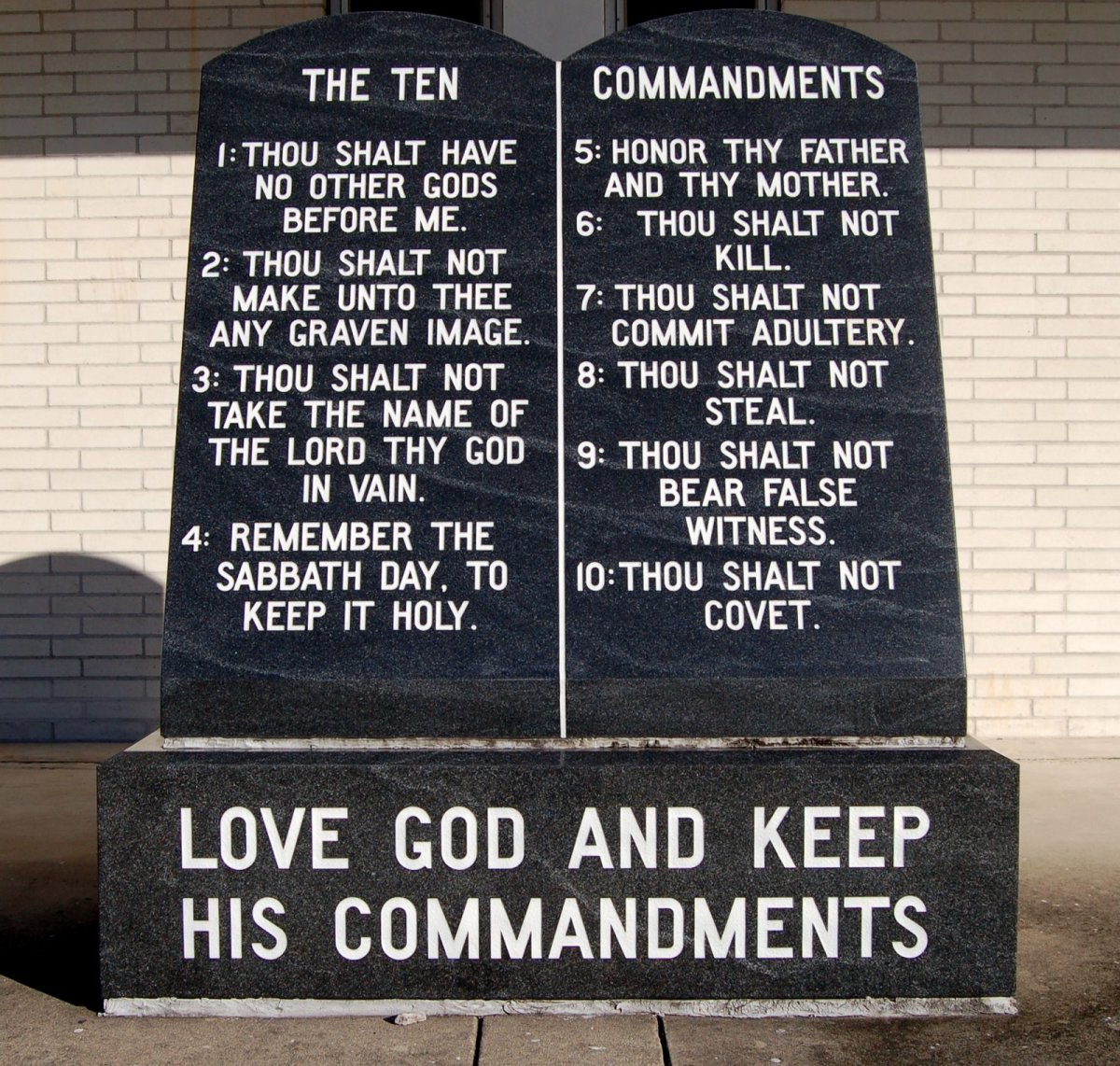
This premise is the more controversial of the two. Battles over whether or not the children can pray in schools or whether or not copies of the Ten Commandments can be posted in court rooms only illustrate the conflict surrounding whether or not the Bible is the foundation of America’s morality.
That the Bible has been the basis of the American society is not really controversial. Until the ACLU arrived on the scene, it was uncontroversial to say “America is a Christian nation.” Today, the status of the Bible in American society is more tenuous.
But early Americans were not as confused about the Bible’s role in American society. Many quotes support the claim that the Bible was central in the American founding and that it has been a source of the nation’s blessings.
What is right is settled; we can’t change it. We don’t get to make our own morality. We can’t make rape good and charity bad. The Bible is the source of these rules. We can either live in light of them and enjoy the blessings that come from keeping them or ruin our nation opposing them. The idea that we don’t need God for morality is bankrupt. This was the Marxist vision: religion is the opiate of the masses. This view, along with Marx, is dead.
The secular vision does not assert anything. It's a philosophy of rejection. But you can’t build something on nothing. America was built on beliefs; you can’t build anything on unbelief. Unbelievers spend their lives rejecting things; it’s their freedom to do this, but they should stop pretending that we can actually run a society that way. And until recently, laws assuming unbelief were absent in America. Gustave de Beaumont, Tocqueville's traveling companion when he came to America, observed that "In the United States, the law is never atheistic."
The Bible has been the great book of western civilization. From it has come the greatest prosperity and the greatest freedom. Many of our political ideas such as the separation of church and state, limited government, and human freedom are rooted in the Bible. Those nations with the highest quality of life and standard of living tend to be grounded on a Christian foundation.
President Andrew Jackson said it best: “That book [Bible], sir, is the rock on which our republic rests.” He was right. It's the Bible that informs a right moral foundation, and a moral foundation is vital to a law that reflects justice and the protection of human rights.
© 2010 William R Bowen Jr